A park on the trolley line
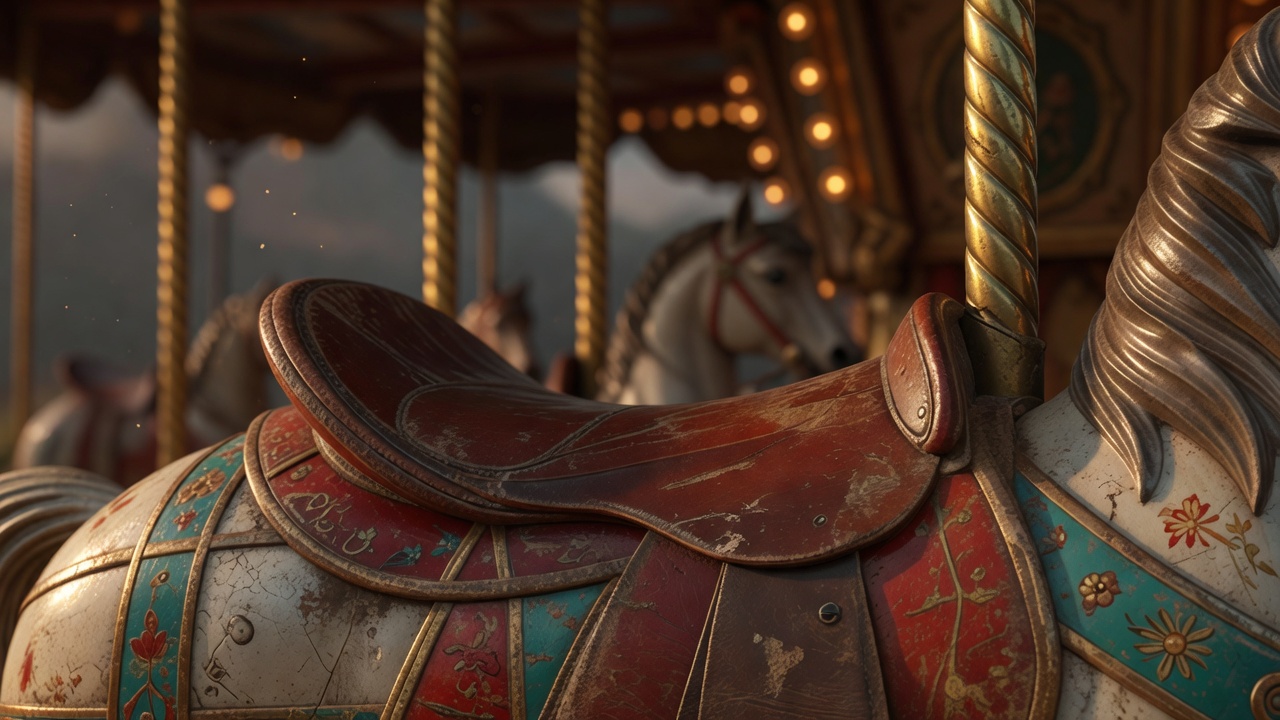
Gwynn Oak Park opened in the 1890s at the end of a trolley line west of Baltimore, in what is now the Woodlawn area of Baltimore County. For generations it offered everything a summer evening needed: a dance hall, picnic groves, a roller coaster and a carousel. In 1947 the park installed a new Allan Herschell carousel, its horses carved in the sturdy style of North Tonawanda's busiest factory.
But for most of its life Gwynn Oak was open to white visitors only. Black families in Baltimore could see the lights from the road and hear the band organ, and were turned away at the gate.
Protest at the gate
Activists picketed the park repeatedly through the 1950s and early 1960s. The campaign peaked on July 4, 1963, when a large interracial group, including Black and white clergy from across the country, tried to enter. Hundreds of protesters were arrested over that Independence Day weekend and the protests that followed. The images of ministers being led away in a Maryland amusement park made national news and pushed local officials to negotiate.
August 28, 1963
The park's owners agreed to integrate. The date it took effect was August 28, 1963, the same day hundreds of thousands gathered in Washington for the March on Washington for Jobs and Freedom. That day, Charles and Doris Langley brought their eleven-month-old daughter, Sharon, to Gwynn Oak. She was lifted onto a carousel horse and became widely remembered as the first Black child to ride the park's carousel after integration.