Before the paint, the block
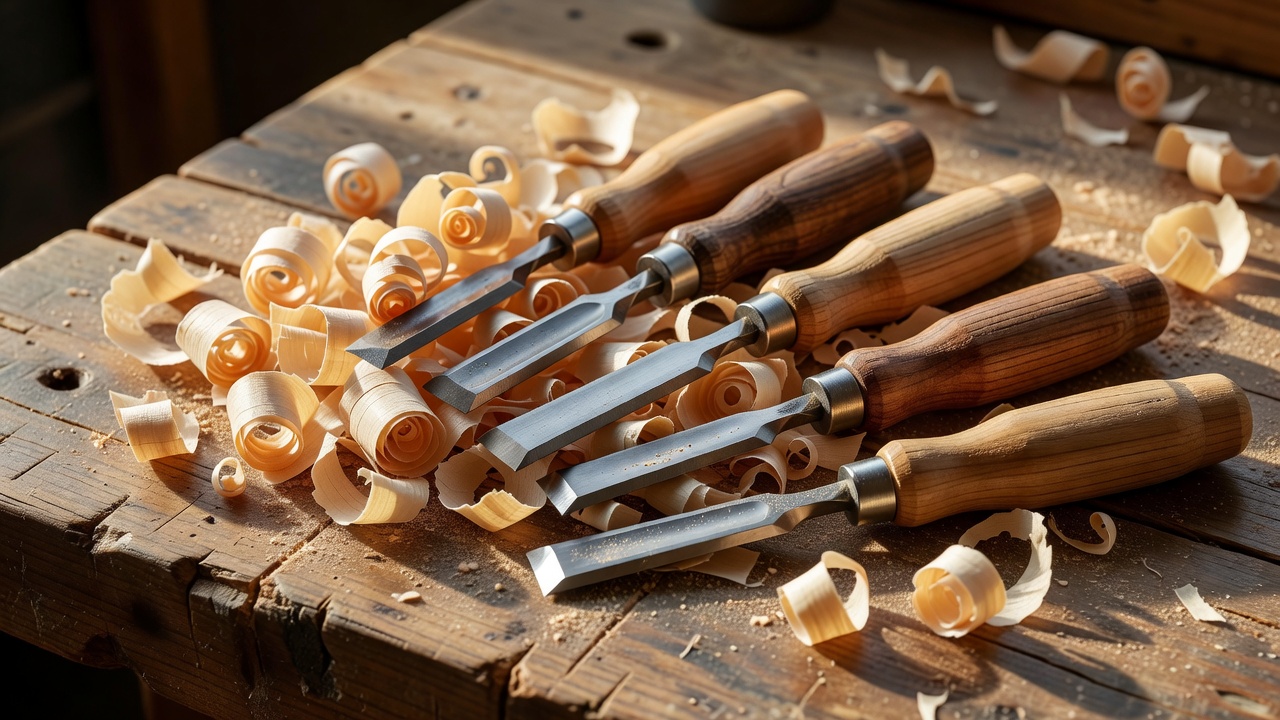
Run a hand along a carousel horse and you may feel faint seams beneath the paint. A classic wooden figure is not carved from a single log. Workshops glued up hollow boxes of basswood or poplar, then roughed out the shape, so the finished animal was lighter, less prone to splitting and quicker to make. Heads, legs and tails were often carved separately, sometimes by different hands. A master carver might take the head and the romance side; apprentices handled the plainer inner side and the legs.
That division of labour is part of why collectors talk about carvers, not just companies. The same factory could produce figures with very different personalities depending on who held the chisel.
Philadelphia style: the realists
The Philadelphia style is the one you meet at Glen Echo. Its makers, chiefly the Dentzel firm and the Philadelphia Toboggan Company, favoured lifelike anatomy and restrained decoration. Horses look like horses you might meet in a field, only nobler: veins on the legs, muscles tensed, manes that seem to lift in a breeze. Trappings are carved but rarely smothered in jewels.
Two carvers stand out. Daniel Carl Muller worked for Dentzel and later ran his own shop, known for military trappings such as swords, bugles and saddle blankets carved like cavalry gear. Salvatore Cernigliaro, an Italian-born carver at Dentzel, is credited with many of the whimsical menagerie animals, including rabbits and cats with expressive faces. When the Dentzel business was sold in 1928, it went to the Philadelphia Toboggan Company.